
Digital Marketing for Real Estate Agents - Guide
The real estate market moves fast. Buyers no longer drive around looking for “For Sale” signs. They search online. If you want to grow your pipeline, you need a strong digital presence.
Digital marketing for real estate agents helps find buyers, attract sellers, and build local authority. It replaces cold calls with inbound leads. This guide gives you a step-by-step framework. You will learn how to optimize your website, rank on Google, run profitable ads, and use social media to close more deals.
Let’s learn to create a successful real estate digital strategy.
1. Build a Conversion-Focused Website
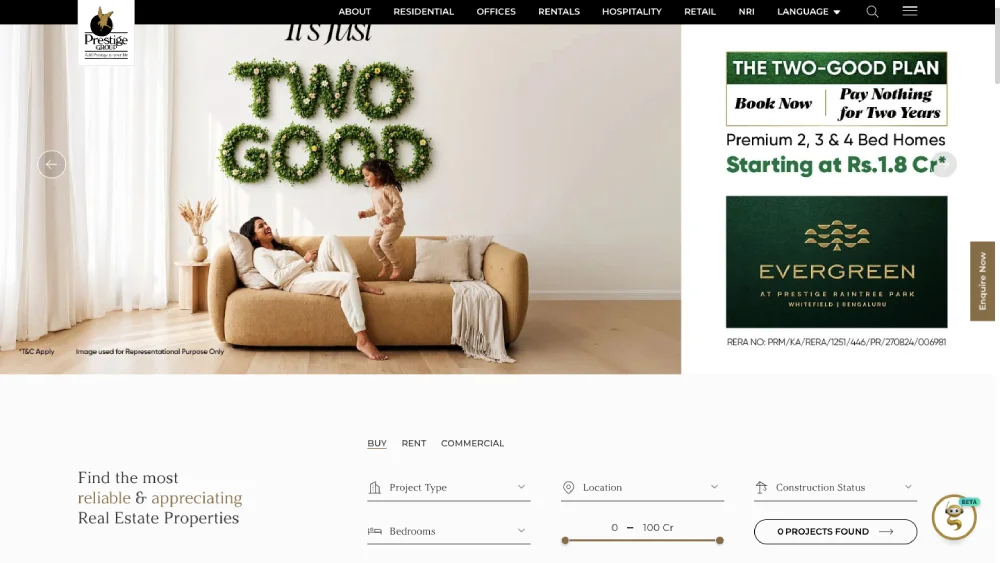
Most real estate websites fail because they look like digital brochures. Your site must capture leads. It must guide visitors from browsing properties to booking a consultation.
Here’s a good example:
Optimize Speed and Mobile Design
More than 60% of property searches start on a mobile device. If your site takes longer than three seconds to load, visitors will leave.
Use tools like Google PageSpeed Insights to measure the speed of your site. The goal is to keep your design clean and fast. You can compress property images before you upload them and use a reliable hosting provider.
Moreover, ensure buttons are large enough to tap on a phone screen, the phone numbers are clickable, and remove heavy pop-ups that may block the screen.
Capture Leads with IDX Integration
Buyers visit your site to view properties. Give them what they want. Integrate Internet Data Exchange (IDX) onto your site.
IDX allows visitors to search live MLS listings directly on your domain. This keeps them on your site instead of major national real estate portals.
Force user registration after a few clicks. For example, let them view three properties for free. On the fourth property, ask for their email address. This tactic builds your email list quickly.
2. Master Local SEO
Search Engine Optimization (SEO) brings free, high-intent traffic to your website. For real estate, SEO is strictly local. You do not need to rank nationally. You only need to rank in your specific city or neighborhood.
For example, when a buyer searches for a Mumbai real estate company, this is exactly where you want your business to show up.
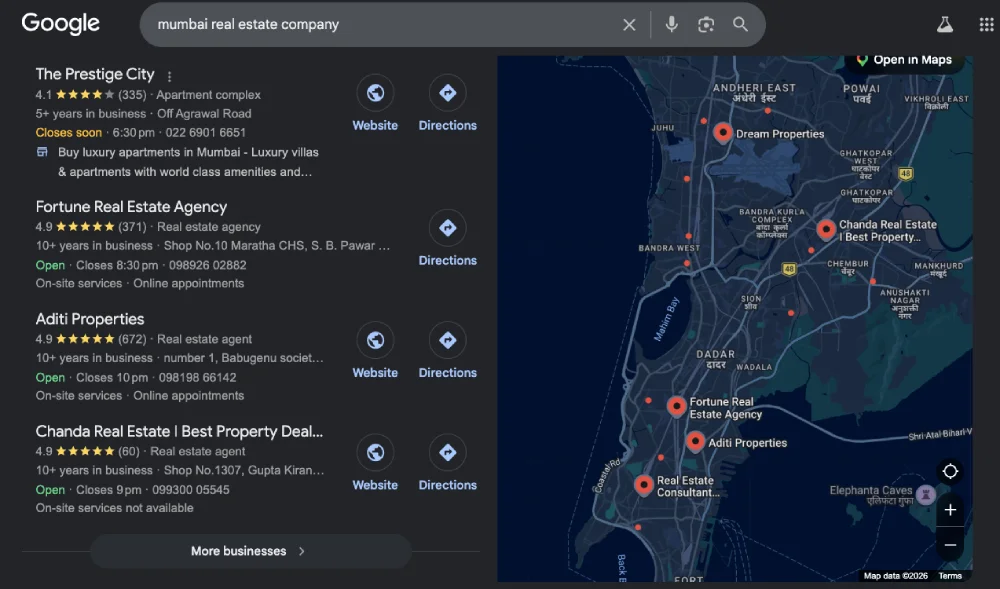
Local SEO ensures you appear when someone types “realtor near me” or “homes for sale in [City].” To learn more, you can follow our expert’s guide on real estate SEO.
Claim Your Google Business Profile
Your Google Business Profile is your most valuable free asset. It allows you to appear in the local Google Map Pack.
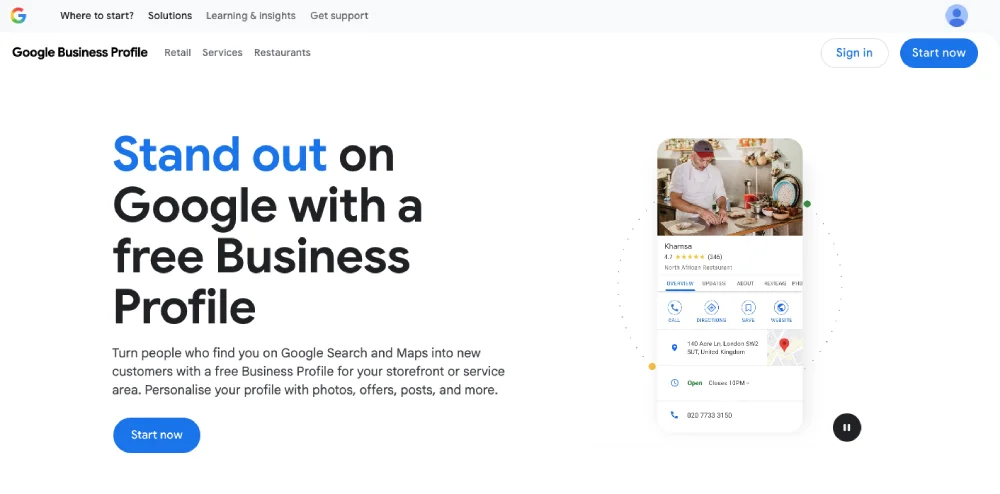
Create and verify your profile. Fill out every section completely. Add your exact office address, phone number, and hours of operation. Upload new photos of your team and sell properties weekly. Ask every happy client for a five-star review. Respond to all reviews quickly, even the negative ones.
Target Local Search Keywords
Write content that targets specific local phrases. A generic page about “buying a home” will not rank well. A page titled “First-Time Home Buyer Guide for Downtown Seattle” will.
Create dedicated pages for every neighborhood you serve. Include details about local schools, parks, and property taxes. For more details, learn about the real estate blog topics framework by Insomniacs.
3. Run Targeted Advertising Campaigns
Organic growth takes time. If you need leads today, you must pay for them. Digital ads put your brand directly in front of active buyers and sellers.
The key to profitable ads is tight targeting. Do not waste money showing ads to people outside your specific service area.
Use Google Ads for High Intent
Google Ads capture people who are actively searching. When a user types “sell my house fast in Austin,” they have high intent to take action.
Bid on specific, long-tail keywords. Avoid broad terms like “real estate.” Instead, target “listing agent in [Zip Code]” or “condos for sale in [Neighborhood].”
Send your ad traffic to a dedicated landing page. Never send ad traffic to your homepage. If your ad promotes luxury condos, the landing page must show exactly that.
Deploy Meta Ads for Awareness
Use Meta ads (Facebook and Instagram) for powerful visual advertising. While intent is lower than Google’s, the cost per lead is often much cheaper.
Use Meta ads to promote active listings, open houses, or free home valuation tools.
Retargeting is your best tool here. Install the Meta tracking pixel on your website. Show ads to people who visited your site but did not leave their contact info. This keeps you top of mind.
4. Use Social Media to Build Trust
Real estate is a relationship business. People hire agents they know, like, and trust. Social media bridges the gap between digital marketing and personal connection. You do not need to be on every platform. Pick two channels and post consistently.
Showcase Properties on Instagram
Instagram is a visual platform. It is perfect for real estate. Post high-quality photos and videos of your active listings.
Use Instagram Reels to give quick property tours. Short-form video gets the highest organic reach. Show behind-the-scenes content, like staging a home or attending inspections.
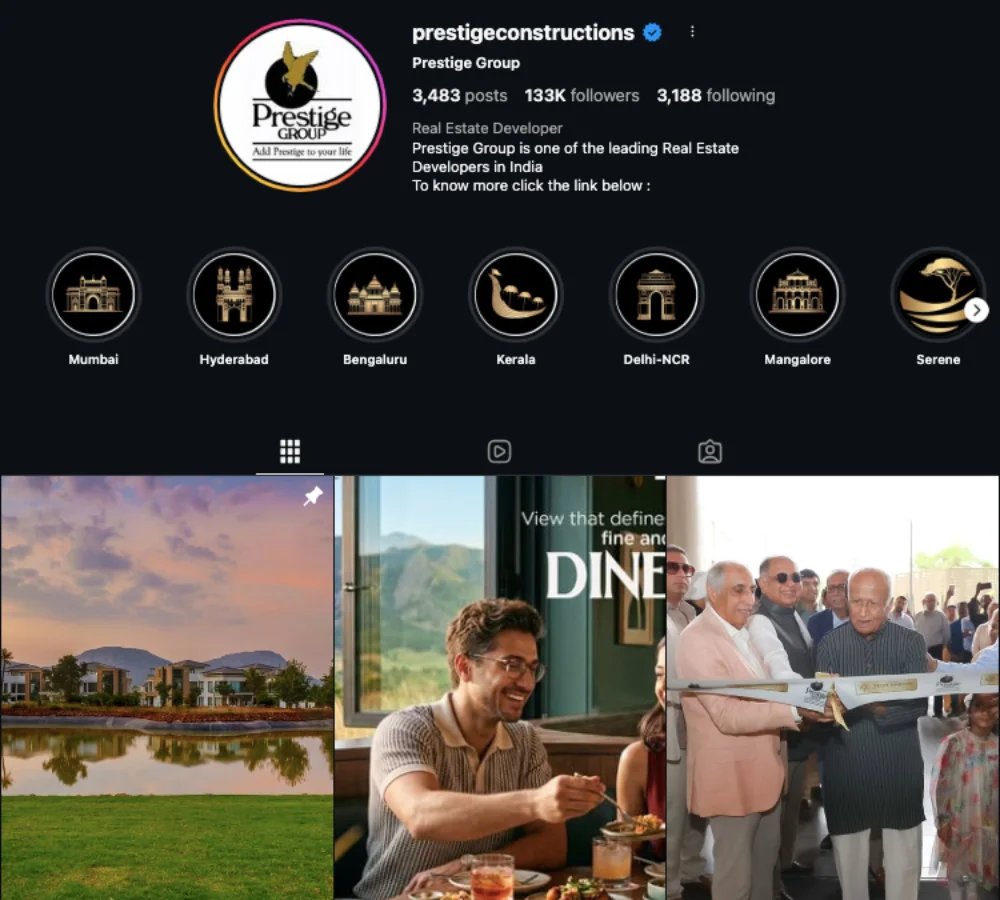
Use local hashtags so buyers in your area can find you. Tag local businesses in your stories to build community connections.
Build Authority on LinkedIn
Many agents ignore LinkedIn. This is a mistake. LinkedIn is the best platform to connect with investors, commercial buyers, and corporate relocation clients.
Share professional milestones and market insights. Post data about interest rates or housing inventory.
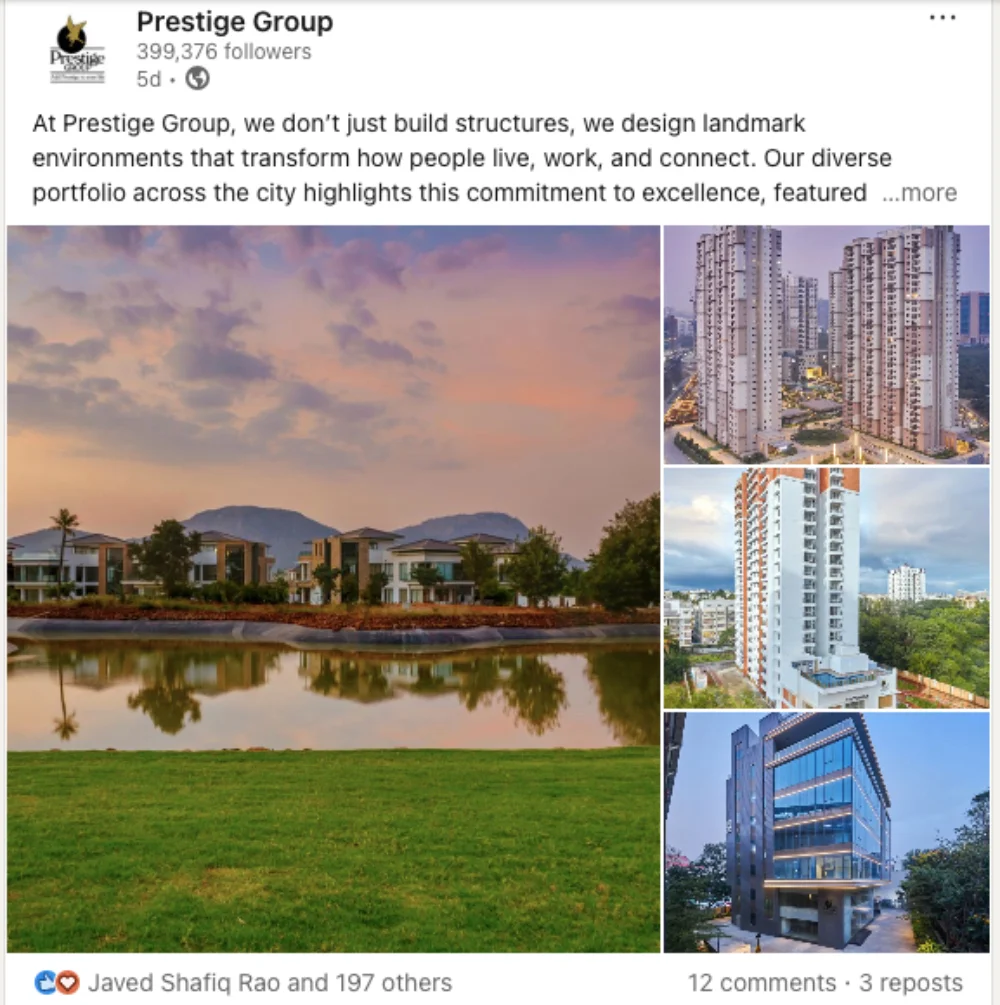
Connect with local mortgage brokers, appraisers, and real estate attorneys. Building a strong referral network here directly impacts your bottom line.
Nurture Leads with Email Marketing
Most internet leads will not buy a home today. The average buyer searches for months before contacting an agent. Email marketing keeps you in front of them until they are ready. Do not buy email lists. Build your list organically through your website and open house sign-in sheets.
Automate Welcome Sequences
When a new lead subscribes, send them an automated welcome sequence. This saves you time and ensures immediate follow-up.
Here is a simple three-day email framework:
- Day 1: Introduce yourself and share your core values.
- Day 2: Provide a free resource, like a buyer’s checklist or a neighborhood guide.
- Day 3: Ask a direct question. For example, “What is your biggest frustration with the current market?”
Send Market Update Newsletters
Keep your warm leads engaged with a monthly newsletter. Do not just send a list of current homes for sale. Provide real value.
Share local market trends. Are prices going up or down? How fast are homes selling? Add a brief spotlight on a local small business.
Keep the text brief. Use bullet points and clear images. Always include a link for a free home valuation at the bottom of the email.
5. Leverage CRM Software
A Customer Relationship Management (CRM) tool is an absolute requirement. Your CRM organizes your leads, tracks your emails, and reminds you when to follow up.
Connect your website forms, social media ads, and lead generation portals directly to your CRM. This prevents any prospect from slipping through the cracks.
Segment your audience inside the CRM. Group leads by “Active Buyers,” “Future Sellers,” and “Past Clients.” This allows you to send highly targeted messages.
6. Build a Review Generation Engine
Online reviews act as digital word-of-mouth. Over 90% of consumers read reviews before choosing a service provider. Real estate is no different.
Automate your review requests. Set your CRM to email clients a review link three days after a successful closing.
Make it easy for them. Provide a direct link to your Google Business Profile. If they do not respond to the email, send a polite text message reminder. Feature your best reviews prominently on your website homepage.
7. Utilize Video Marketing
Video is the fastest-growing format online. It builds instant rapport. Buyers feel like they know you before they even pick up the phone.
You do not need a massive budget. A modern smartphone and a cheap clip-on microphone are all you need to start recording.
Create Educational YouTube Content
YouTube is the second-largest search engine in the world. Buyers use it to research cities before relocating.
Film videos answering common client questions. Create content like “Pros and Cons of Living in [City]” or “How to Win a Bidding War.”
Optimize your video titles with local keywords. Add a strong call-to-action in the video description, linking back to your website.
Host Virtual Open Houses
Live video allows you to showcase properties to dozens of buyers at the same time. Host virtual open houses on Facebook Live or Instagram Live.
Walk through the property, highlighting key features. Answer viewer questions in real-time. Save the live video to your profile afterward so others can watch the replay later.
8. Measure Success with Analytics
Do not guess what works. Let data drive your decisions. Digital marketing for real estate agents requires constant tracking and adjustment.
Set up Google Analytics on your website. Track where your traffic comes from and which pages keep users engaged.
Track the Right Metrics
Focus on metrics that impact your revenue directly. Ignore vanity metrics like social media likes or follower counts.
Monitor these key performance indicators (KPIs):
| Metric | Why It Matters |
|---|---|
| Cost Per Lead (CPL) | Tells you if your ads are profitable. |
| Website Conversion Rate | Shows how well your site turns visitors into leads. |
| Email Open Rate | Indicates if your audience cares about your content. |
| Return on Ad Spend (ROAS) | Measures direct revenue generated from paid campaigns. |
Review these numbers every month. If a campaign loses money, shut it down. If a specific blog post drives massive traffic, write more content on that topic.
10. Partner with Marketing Experts
Handling real estate transactions is a full-time job. Managing a complex digital marketing strategy is another. Trying to do both often leads to burnout.
You do not have to do it alone. Outsourcing your marketing tasks allows you to focus on what you do best: selling homes and closing deals.
Working with a specialized real estate marketing agency like Insomniacs can help streamline your efforts. From SEO and content marketing to paid advertising and lead generation, experienced professionals stay updated on the latest algorithm changes and ad strategies. They can optimize your campaigns to maximize visibility, attract qualified buyers, and deliver a stronger return on investment.